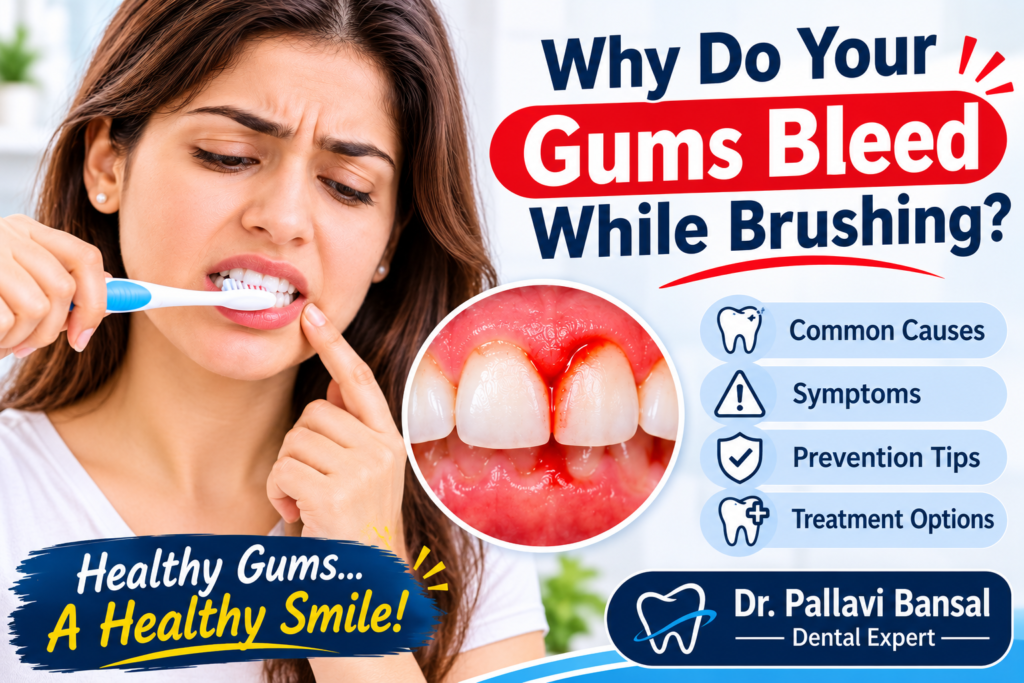
Have you noticed gums bleeding while brushing your teeth? Many people experience bleeding gums during their daily oral hygiene routine. Although occasional bleeding may seem harmless, it can be an early sign of gum problems that should not be ignored. Healthy gums should not bleed regularly while brushing or flossing.
Understanding the causes of bleeding gums can help you maintain good oral health and prevent more serious dental problems.
What Causes Gums to Bleed While Brushing?
There are several reasons why your gums may bleed while brushing. Some of the most common causes include:
1. Gingivitis (Early Gum Disease)
Gingivitis is one of the most common causes of bleeding gums. It occurs when plaque, a sticky layer of bacteria, builds up around the teeth and gumline. This can cause gum inflammation, redness, swelling, and bleeding during brushing.
2. Brushing Too Hard
Using excessive pressure while brushing or choosing a hard-bristled toothbrush can irritate your gums. Gentle brushing with a soft-bristled toothbrush is recommended to protect your gums.
3. Poor Oral Hygiene
Not brushing and flossing regularly can allow plaque and bacteria to accumulate around the teeth. Over time, this may lead to gum inflammation and bleeding.
4. Vitamin Deficiencies
Low levels of certain nutrients, particularly vitamin C and vitamin K, may contribute to gum health problems and bleeding. A balanced diet supports healthy teeth and gums.
5. Periodontitis
If gingivitis is left untreated, it may develop into periodontitis, a more advanced form of gum disease. It can damage the tissues supporting your teeth and may eventually lead to tooth loosening.
Common Symptoms of Gum Problems
Apart from bleeding during brushing, you may notice other symptoms, such as:
- Red or swollen gums
- Tenderness around the gumline
- Bad breath that does not go away
- Bleeding while flossing
- Gum sensitivity
- Receding gums
If these symptoms continue, professional dental evaluation is important.
How to Prevent Gums Bleeding While Brushing
Maintaining proper oral hygiene can help reduce gum problems. Follow these simple tips:
- Brush Twice Daily: Brush your teeth gently for two minutes using a soft-bristled toothbrush.
- Floss Regularly: Clean between your teeth to remove food particles and plaque.
- Use Fluoride Toothpaste: Choose a suitable toothpaste to maintain good oral health.
- Maintain a Balanced Diet: Include fruits, vegetables, and nutritious foods in your daily meals.
- Avoid Smoking: Smoking can increase the risk of gum disease.
- Visit Your Dentist: Schedule regular dental check-ups and professional cleaning when recommended.
When Should You Visit a Dentist?
If your gums bleed repeatedly while brushing, do not ignore the problem. Persistent bleeding, swelling, pain, or bad breath may indicate an underlying gum condition. Early dental care can help identify the cause and prevent further complications.
Gum Care and Treatment with Dr. Pallavi Bansal
Dr. Pallavi Bansal emphasizes the importance of proper oral hygiene and regular dental check-ups for maintaining healthy gums. Depending on the condition, treatment may include professional dental cleaning, plaque removal, improved oral hygiene practices, or other suitable gum treatments.
Remember, gums bleeding while brushing is not something you should consider normal. Taking timely action can help protect your gums and maintain a healthy smile.
Conclusion
Bleeding gums can occur due to plaque buildup, gingivitis, improper brushing techniques, or other oral health concerns. Maintaining good oral hygiene and seeking professional dental advice when needed can help prevent gum problems. If you regularly experience bleeding gums, consult a dentist for proper evaluation and treatment.