A damaged tooth can cause pain, sensitivity, difficulty chewing, and discomfort while eating or drinking. Depending on the extent of the damage, a dentist may recommend different treatments to restore the tooth.
One of the most effective options for saving a tooth with internal infection or pulp damage is root canal treatment. But can a root canal actually save a damaged tooth? In many cases, yes.
What Is a Root Canal Treatment for Damaged Tooth Treatment?
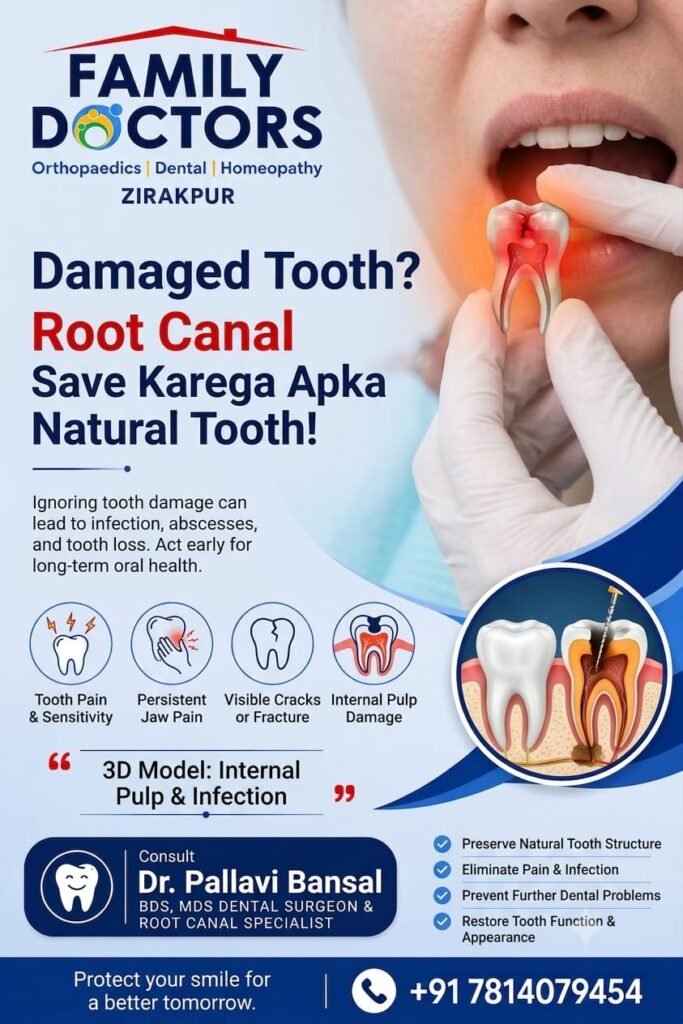
Root canal treatment is a dental procedure used to treat infection or inflammation inside a tooth. The inside of a tooth contains soft tissue called the dental pulp, which contains nerves and blood vessels. When deep decay, cracks, trauma, or repeated dental procedures damage the pulp, bacteria can enter and cause infection.
During a root canal, the infected or damaged pulp is carefully removed. The dentist then cleans and disinfects the root canals before filling and sealing them. Afterward, the tooth may be restored with a dental filling or crown to protect it and restore its function.
Can a Root Canal Save a Damaged Tooth?
A root canal can often save a damaged tooth when the tooth structure is still strong enough to be restored. Instead of removing the entire tooth, the procedure removes the infected tissue while preserving the natural tooth.
Root canal treatment may be considered when a tooth has:
- Deep tooth decay
- A cracked or fractured tooth affecting the pulp
- Severe or persistent tooth pain
- Prolonged sensitivity to hot or cold
- An infection or dental abscess
- Pulp damage caused by an injury
The dentist first examines the tooth and may take dental X-rays to determine the extent of the damage. If the tooth can be restored, root canal treatment may help preserve it.
Benefits of Saving a Natural Tooth
Whenever possible, preserving a natural tooth has several advantages. A successfully treated tooth can continue to support normal chewing and help maintain the natural alignment of surrounding teeth.
Root canal treatment can also help eliminate infection and relieve symptoms caused by damaged or infected pulp. After proper restoration, the treated tooth can function much like a natural tooth.
What Happens After Root Canal Treatment?
After the procedure, some mild tenderness may occur for a short period. Your dentist may recommend avoiding excessive pressure on the treated tooth until the final restoration is completed.
In many cases, a crown may be recommended, especially when the tooth has lost significant structure. Good oral hygiene, regular dental checkups, and avoiding habits that could damage the tooth can help maintain the treated tooth.
Is Root Canal Treatment Always the Right Choice?
Not every damaged tooth can be saved with a root canal. If a tooth is severely fractured, has insufficient remaining structure, or cannot be properly restored, extraction may sometimes be necessary.
That is why early dental evaluation is important. Getting professional advice before the damage becomes more extensive can increase the possibility of preserving the natural tooth.
Damaged Tooth Treatment in Zirakpur
If you are experiencing tooth pain, sensitivity, swelling, or discomfort while chewing, do not ignore the symptoms. Early diagnosis can help determine the most suitable damaged tooth treatment for your condition.
Dr. Pallavi Bansal can evaluate the condition of your tooth and recommend an appropriate treatment based on the extent of decay, infection, or damage. Depending on the situation, treatment may include root canal therapy, a filling, a crown, or another restorative option.
Conclusion
A root canal can often save a damaged tooth when the tooth is structurally restorable and the pulp has become infected or damaged. The treatment removes the source of infection while preserving the natural tooth. If you notice persistent pain, sensitivity, swelling, or other dental problems, consult a dentist for an examination. Early damaged tooth treatment can help protect your oral health and preserve your natural smile.