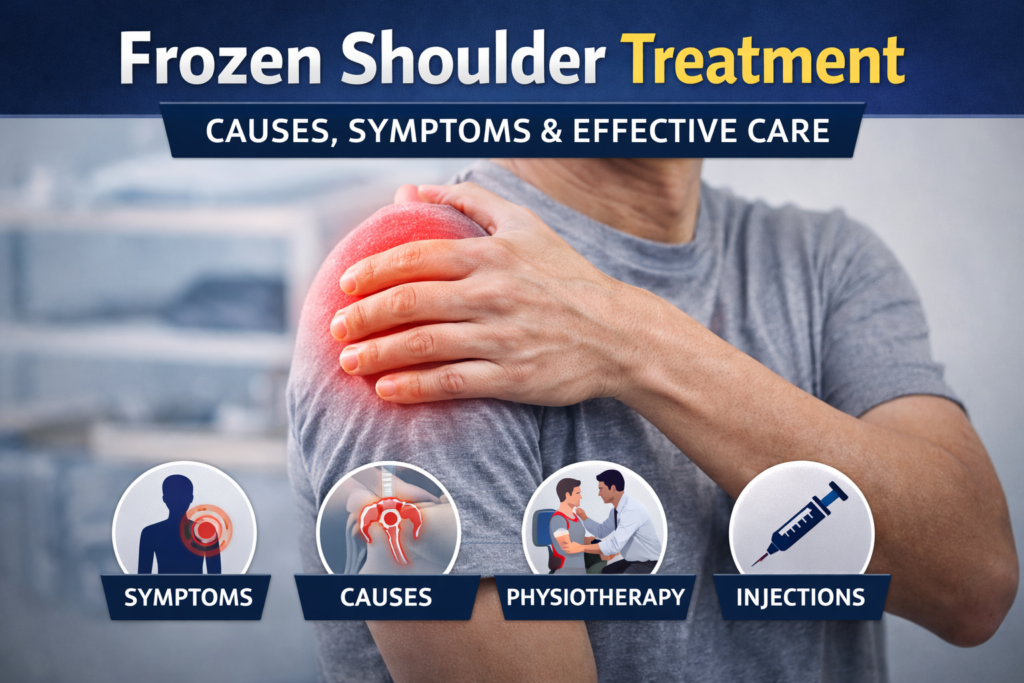
Frozen shoulder is a painful condition that affects the shoulder joint and gradually limits its movement. Many people experience stiffness, discomfort, and difficulty performing everyday activities such as lifting the arm, reaching overhead, or even getting dressed. The medical term for frozen shoulder is Adhesive Capsulitis, and it develops when the capsule surrounding the shoulder joint becomes thick and tight.
With early diagnosis and the right treatment approach, most patients can recover successfully and regain shoulder mobility. According to orthopedic specialist Dr. Mohit Bansal, timely treatment plays a crucial role in preventing long-term stiffness and restoring shoulder function.
What Is Frozen Shoulder?
Frozen shoulder occurs when the connective tissues around the shoulder joint become inflamed and stiff. This results in reduced movement and persistent pain. The condition usually develops slowly and progresses through different stages.
The shoulder joint is one of the most flexible joints in the body, allowing movement in multiple directions. However, when frozen shoulder develops, the joint capsule thickens and tightens, restricting normal movement.
Common Causes of Frozen Shoulder
Several factors can contribute to the development of frozen shoulder. Some of the most common causes include:
1. Injury or Shoulder Trauma
A shoulder injury, fracture, or surgery may lead to limited movement for a long time, which increases the risk of frozen shoulder.
2. Diabetes
People with diabetes are more likely to develop frozen shoulder due to changes in connective tissue.
3. Prolonged Immobility
If the shoulder remains immobile for weeks or months, such as after an accident or surgery, stiffness may develop.
4. Age and Gender
Frozen shoulder is more common in people between the ages of 40 and 60, and it tends to affect women more frequently than men.
Symptoms of Frozen Shoulder
Frozen shoulder usually develops gradually. Patients may notice symptoms that worsen over time, including:
- Persistent shoulder pain
- Stiffness in the shoulder joint
- Difficulty raising the arm
- Limited range of motion
- Pain while sleeping on the affected side
The pain is often worse at night and can interfere with daily activities.
Stages of Frozen Shoulder
Frozen shoulder generally progresses through three stages:
1. Freezing Stage
During this stage, shoulder pain begins gradually and worsens with movement. Stiffness starts to develop, and daily activities become difficult.
2. Frozen Stage
Pain may reduce slightly, but the stiffness becomes more severe. The shoulder movement becomes significantly restricted.
3. Thawing Stage
The shoulder gradually regains movement, and pain slowly decreases. With proper treatment and exercises, the joint mobility improves over time.
The entire process can take several months to even a few years if untreated.
Effective Frozen Shoulder Treatment Options
Fortunately, most cases of frozen shoulder can be treated without surgery. The goal of treatment is to reduce pain, improve flexibility, and restore shoulder movement.
1. Physiotherapy
Physiotherapy is the most important part of frozen shoulder treatment. Guided stretching and strengthening exercises help loosen the shoulder joint and restore its mobility.
A physiotherapist may recommend exercises such as:
- Pendulum stretch
- Shoulder rotation exercises
- Cross-body stretch
- Wall climbing exercises
Regular physiotherapy helps break down stiffness and improves joint movement gradually.
2. Medications
Pain-relieving medications and anti-inflammatory drugs can help reduce inflammation and discomfort. These medications are often prescribed in the early stages of frozen shoulder to manage pain and make physiotherapy easier.
Topical pain relief gels may also be recommended.
3. Steroid Injections
In some cases, corticosteroid injections may be used to reduce inflammation and relieve severe pain. These injections are given directly into the shoulder joint and can provide temporary relief, allowing patients to perform physiotherapy more effectively.
4. Hydrodilatation Therapy
Hydrodilatation is a minimally invasive procedure in which sterile fluid is injected into the shoulder joint capsule. This helps stretch the capsule and improve movement.
It is often recommended for patients who do not respond well to initial treatments.
5. Lifestyle Modifications
Certain lifestyle adjustments can help reduce shoulder strain and promote recovery. These include:
- Avoiding sudden shoulder movements
- Maintaining proper posture
- Applying warm compresses
- Performing daily stretching exercises
Consistency in these habits helps improve recovery outcomes.
When Is Surgery Required?
Surgery is rarely needed for frozen shoulder. It is considered only when non-surgical treatments fail to improve symptoms after several months.
Two surgical procedures may be recommended in severe cases:
- Shoulder manipulation under anesthesia
- Arthroscopic capsular release
However, most patients recover successfully with conservative treatment.
Orthopedic specialist Dr. Mohit Bansal emphasizes that early diagnosis and physiotherapy are usually enough to restore normal shoulder function.
Tips to Prevent Frozen Shoulder
Although frozen shoulder cannot always be prevented, certain steps can reduce the risk:
- Stay physically active
- Perform shoulder stretching exercises regularly
- Avoid prolonged shoulder immobility after injury
- Maintain good posture during work
- Seek medical advice early if shoulder pain persists
Keeping the shoulder joint flexible and active is the best way to maintain long-term joint health.
Final Thoughts
Frozen shoulder can be painful and frustrating, but with proper treatment and patience, recovery is possible. Physiotherapy, medications, and targeted therapies help relieve pain and restore shoulder mobility in most patients.
Early consultation with an orthopedic specialist like Dr. Mohit Bansal can help diagnose the condition early and start the right treatment plan. With the right care and consistent exercises, patients can return to their normal daily activities without long-term complications.
If you are experiencing persistent shoulder stiffness or pain, do not ignore the symptoms. Timely treatment can make a significant difference in your recovery and overall quality of life.