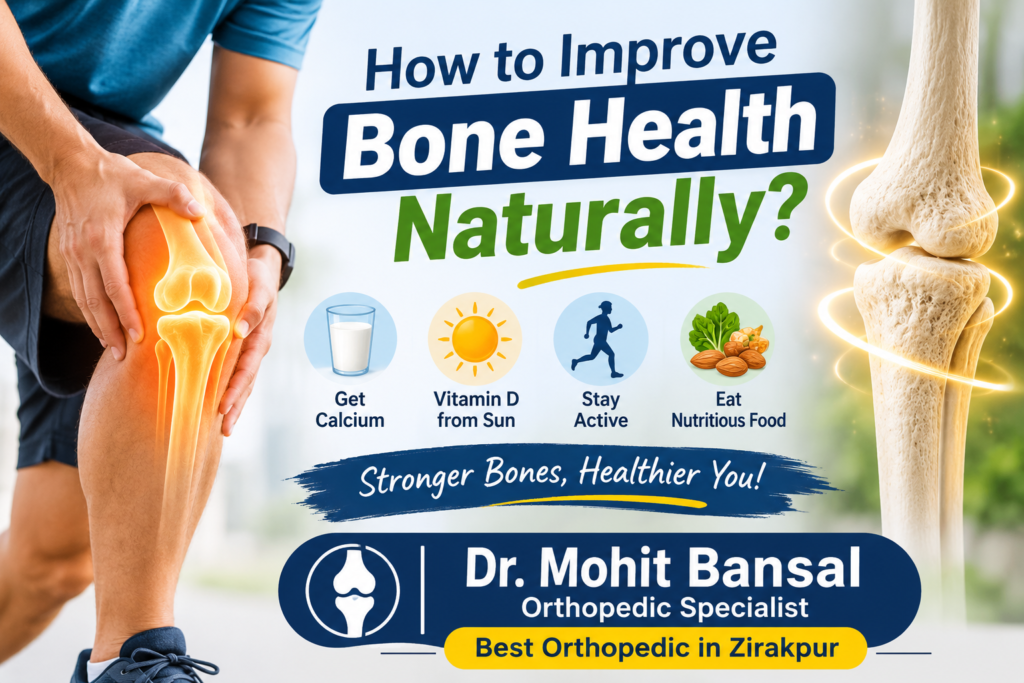
Healthy bones are essential for maintaining an active and healthy lifestyle. Our bones provide support to the body, protect important organs, and help us move comfortably. However, factors such as ageing, poor nutrition, lack of physical activity, and vitamin deficiencies can affect bone strength over time. If you are looking for the best orthopedic in Zirakpur, consulting an experienced specialist like Dr. Mohit Bansal can help you understand how to maintain strong bones and improve your overall bone health.
Taking care of your bones from an early age can help maintain good bone health. If you are looking for the best orthopedic in Zirakpur, understanding natural ways to improve bone health is an important first step.
1. Eat Calcium-Rich Foods
Calcium is one of the most important nutrients for maintaining strong and healthy bones. A lack of calcium may affect bone strength and increase the risk of bone-related problems.
Include calcium-rich foods in your daily diet, such as:
- Milk, curd, and cheese
- Almonds and sesame seeds
- Green leafy vegetables
- Ragi and other whole grains
- Calcium-fortified foods
A balanced diet helps provide the nutrients your bones need.
2. Get Enough Vitamin D
Vitamin D helps the body absorb calcium effectively. Without sufficient vitamin D, maintaining healthy bones can become difficult.
Spending some time outdoors in sunlight can support vitamin D production. Foods such as eggs, fortified milk, and certain fish also provide vitamin D.
If you suspect a vitamin D deficiency, consult a healthcare professional for appropriate testing and guidance.
3. Stay Physically Active
Regular physical activity supports bone strength, muscle function, and joint flexibility. Weight-bearing activities can help maintain healthy bones.
Some beneficial activities include:
- Walking
- Dancing
- Light jogging
- Climbing stairs
- Strength-building exercises suitable for your fitness level
Choose activities according to your age and health condition. If you already experience joint pain, consult an orthopedic specialist before starting a new exercise routine.
4. Include Protein in Your Diet
Protein plays an important role in maintaining bones and supporting muscle health. A balanced protein intake can help support the body’s overall structure.
Good protein sources include:
- Eggs
- Milk and dairy products
- Lentils and beans
- Nuts and seeds
- Soybeans and paneer
Combining protein with calcium and vitamin D can support overall bone health.
5. Avoid Smoking and Limit Caffeine
Certain lifestyle habits can negatively affect bone health. Smoking is associated with reduced bone health, while excessive caffeine consumption may affect calcium balance.
Making healthier lifestyle choices can help protect your bones over time.
6. Maintain a Healthy Lifestyle
Healthy habits are essential for maintaining strong bones. Follow a balanced diet, stay physically active, get sufficient sleep, and avoid excessive consumption of sugary drinks.
Regular health check-ups can also help identify nutritional deficiencies and potential bone-related concerns early.
7. Get Regular Bone Health Check-Ups
Bone health problems may develop gradually without noticeable symptoms. People with risk factors such as older age, previous fractures, or certain medical conditions may benefit from professional evaluation.
An orthopedic specialist can assess your bone and joint health and recommend suitable investigations or treatment when necessary.
Consult Dr. Mohit Bansal – Orthopedic Specialist in Zirakpur
Taking care of your bones today can support better mobility and quality of life in the future. Following a nutritious diet, staying active, and maintaining healthy habits can make a positive difference.
If you are experiencing bone pain, joint discomfort, or mobility problems, consult Dr. Mohit Bansal for professional orthopedic guidance.
For people searching for the best orthopedic in Zirakpur, getting the right medical advice can help identify bone and joint concerns and understand suitable treatment options.
Conclusion
Improving bone health naturally starts with simple everyday habits. Eating calcium-rich foods, getting enough vitamin D, staying physically active, and maintaining a balanced lifestyle can support stronger bones. Regular check-ups and timely medical advice are equally important for long-term bone health.