
Chronic joint pain can affect your ability to walk, work, exercise, and enjoy everyday activities. Unlike temporary pain caused by a minor injury, chronic joint pain may continue for weeks or months and can gradually affect your quality of life. Finding the right Chronic Joint Pain Treatment is important for managing symptoms and improving mobility. The most suitable treatment depends on the underlying cause, severity of symptoms, age, lifestyle, and overall joint health.
What Causes Chronic Joint Pain?
Chronic joint pain can develop because of several conditions. Common causes include arthritis, previous injuries, ligament or cartilage damage, inflammation, overuse, and age-related wear and tear. Knee, hip, shoulder, ankle, and other joints can be affected. Identifying the underlying cause is important for choosing the right Chronic Joint Pain Treatment and improving joint function and mobility.
Symptoms may include persistent pain, stiffness, swelling, reduced movement, tenderness, or difficulty performing normal activities. If joint pain continues despite rest or begins interfering with daily life, consulting an orthopedic specialist can help identify the cause and appropriate treatment.
Best Treatments for Chronic Joint Pain
Medicines and Pain Management
Depending on the condition, a doctor may recommend medications to reduce pain and inflammation. Medicines should always be taken according to professional medical advice, particularly when pain is persistent or recurring.
Physiotherapy and Exercise
Physiotherapy can be an important part of Chronic Joint Pain Treatment. Specific exercises can help improve flexibility, strengthen the muscles supporting the joint, and improve movement. A customized exercise program may also help reduce stiffness and support long-term joint function.
Lifestyle Changes
Maintaining a healthy weight can reduce unnecessary stress on weight-bearing joints such as the knees and hips. Low-impact activities such as walking, swimming, and appropriate stretching may help maintain mobility. Avoiding activities that repeatedly aggravate the affected joint can also support recovery.
Injections and Other Treatments
For certain joint conditions, an orthopedic specialist may consider injections or other non-surgical treatments when appropriate. The choice depends on the diagnosis and individual patient factors. A proper evaluation is important before selecting any treatment.
Surgery When Necessary
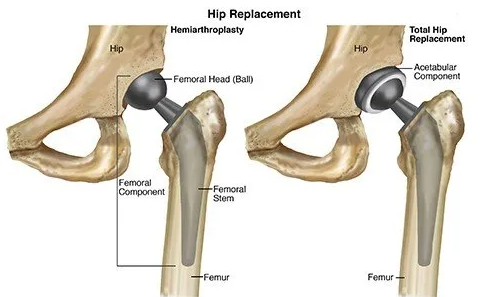
When severe joint damage causes persistent pain and significantly limits movement, surgery may sometimes be considered. Joint replacement or other orthopedic procedures may be options for selected patients when conservative treatments are no longer providing sufficient relief.
When Should You See an Orthopedic Doctor?
You should consider an orthopedic consultation if joint pain lasts for an extended period, repeatedly returns, causes swelling or stiffness, limits movement, or makes routine activities difficult. Early evaluation can help determine the cause and prevent some conditions from becoming more difficult to manage.
Get Expert Care for Chronic Joint Pain
Choosing the right treatment begins with an accurate diagnosis. Dr. Mohit Bansal provides orthopedic consultation and treatment guidance for patients experiencing joint pain and other musculoskeletal problems. Based on the condition, symptoms, and medical evaluation, an appropriate treatment plan can be recommended.
If chronic joint pain is affecting your mobility or daily routine, don’t ignore the symptoms. Seeking timely orthopedic advice can help you understand the cause of your pain and explore suitable treatment options. With proper diagnosis, personalized care, and appropriate rehabilitation, many patients can work toward better joint function and an improved quality of life.